
Shanice Lodge
The construction industry is flooded with data. Construction starts, permits, project announcements, bid opportunities, labor statistics, and economic forecasts all compete for your attention.
As a construction professional, identifying which metrics matter most and which indicators provide the earliest insights into emerging opportunities becomes key to gaining market share. Plus, being able to cut through the clutter will save you time.
With efficiency top of mind, these metrics and trends are worth monitoring every month:
1. Planned Project Activity
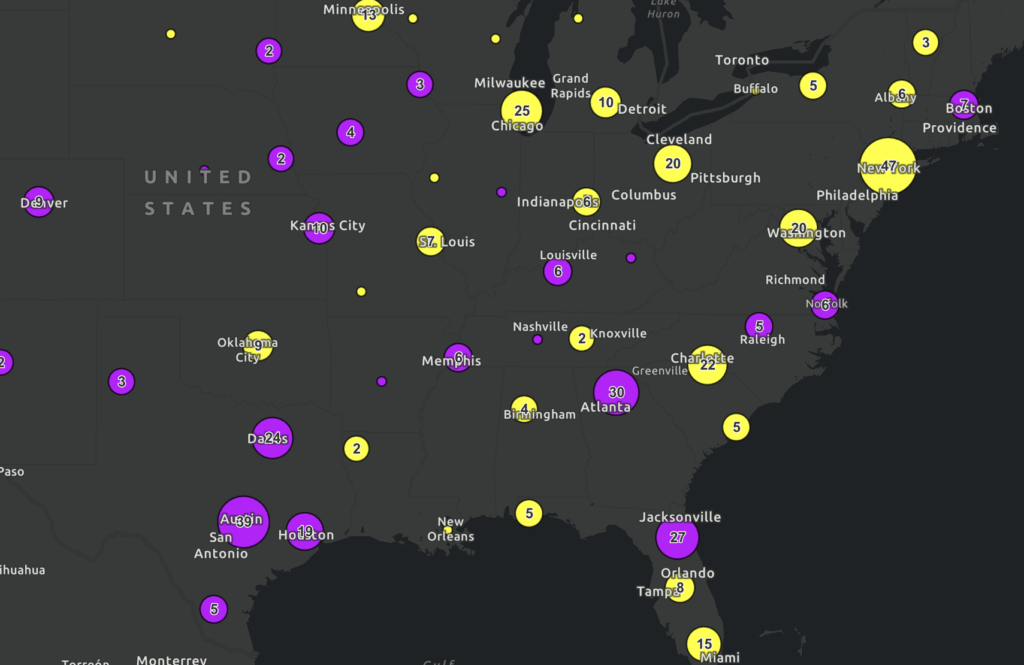
The most valuable opportunities start in the planned developments phase. Monitoring projects during the proposal, planning, and pre-construction phases provides visibility into where capital is being deployed and which sectors are attracting investment.
Construction leaders should pay close attention to:
- New project announcements
- Developer activity
- Sector-specific growth trends
- Geographic concentrations of planning activity
- Repeat ownership and development groups
Early-stage project intelligence often provides months of additional lead time compared to permit activity alone.
Across the world, many organizations use planned project data to better understand activity in commercial real estate, multifamily, healthcare, hospitality, retail, energy, and industrial markets.
ConstructionWire’s focus on proposal and planning-stage projects meets a growing industry demand for earlier visibility into opportunities and the decision-makers behind them. Book a demo to see what’s in the pipeline in your area.
2. Building Permit Trends
Permits remain one of the clearest indicators of real construction activity.
Unlike macroeconomic forecasts, permits provide direct evidence that projects are moving forward.
Recent permit data highlights how market dynamics continue to evolve. According to the National Association of Home Builders, single-family permits declined 7.6% nationally during the first quarter of 2026, while multifamily permits increased 7.1%, reflecting the continued strength of rental demand despite affordability and financing challenges.
Permit monitoring can help answer strategic questions such as:
- Which markets are accelerating?
- Which builders are expanding?
- Where is housing demand shifting?
- Which sectors are generating the most activity?
For many sales and market intelligence teams, permit data serves as an important complement to project intelligence by validating where development activity is progressing into execution.
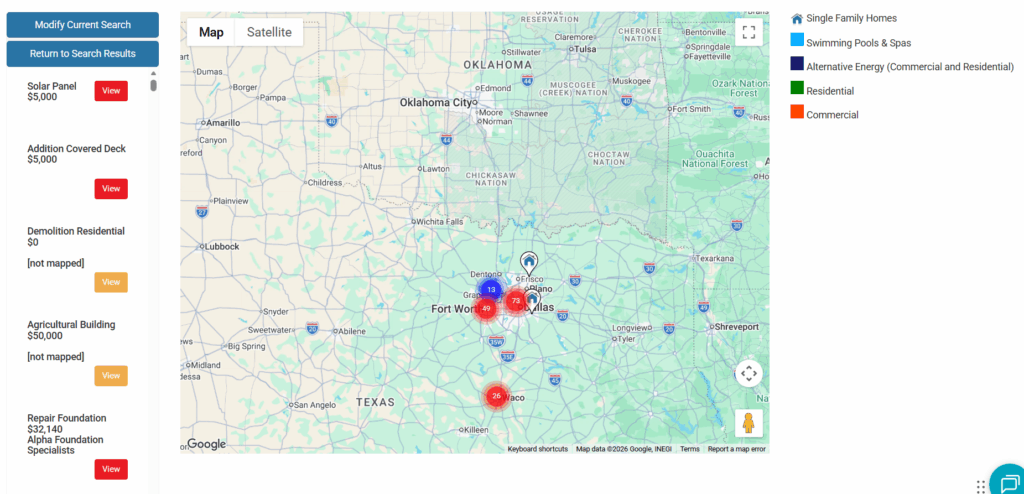
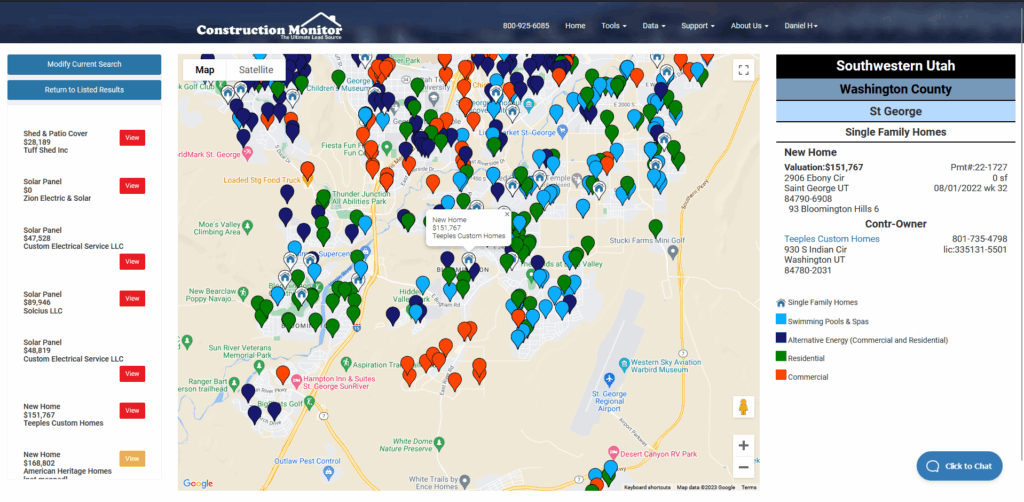
Construction Monitor is a useful tool for finding timely and accurate construction permits across the solar, commercial, residential, and pool sectors nationwide. See what’s projected to come into your market.
3. Infrastructure Investment
Infrastructure spending has become one of the most important indicators of future economic growth.
Roadway projects, water systems, utility upgrades, transit investments, and public works initiatives often serve as foundational signals for future development. Infrastructure often precedes housing growth, commercial activity, retail expansion, and industrial investment.
For construction professionals, infrastructure activity provides a way to identify emerging markets before growth is reflected in traditional economic reports.
Questions to monitor include:
- Which regions are increasing infrastructure investment?
- Where are transportation improvements occurring?
- Which municipalities are investing in water and utility systems?
- What public projects are entering procurement?
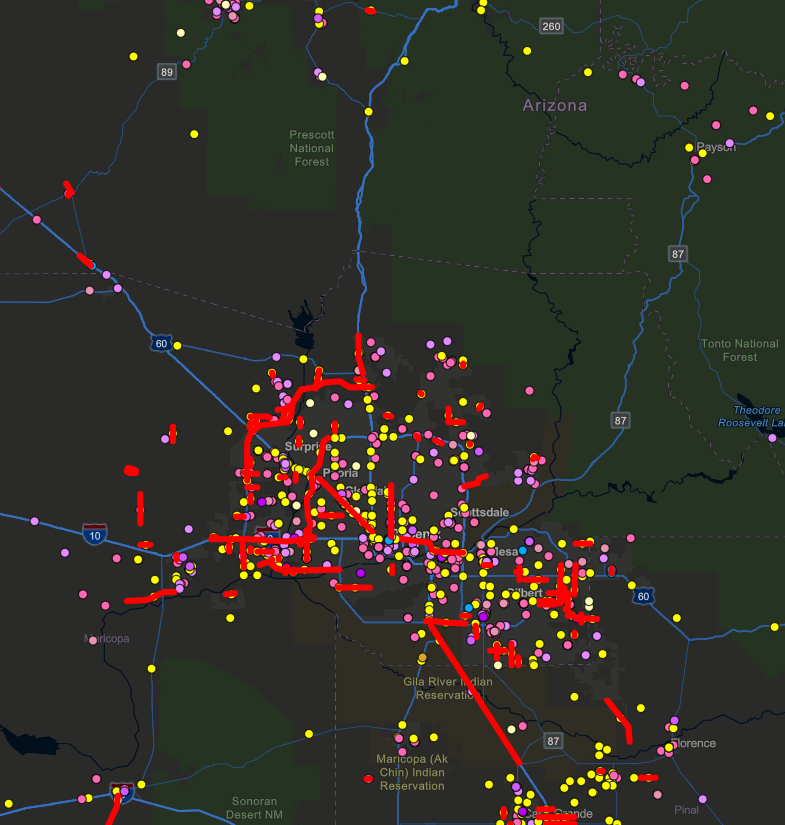
Infrastructure activity frequently reveals where future private-sector development will follow. ConstructionWire’s Infrastructure+ provides unparalleled insight into new infrastructure developments nationwide.
4. Public Procurement Activity
The public sector remains one of the largest drivers of construction spending across North America.
However, many organizations only begin paying attention once projects are formally bid.
Forward-looking contractors monitor procurement pipelines much earlier.
Today’s digital procurement platforms provide visibility into thousands of projects, RFQs, RFPs, and public-sector opportunities. Quest currently supports access to more than 21,000 projects and opportunities while serving a community of more than 8,000 bidders nationwide.
Tracking procurement activity monthly helps teams understand:
- Which agencies are spending
- Which markets are active
- Upcoming funding priorities
- Competitive bidding environments
As public infrastructure investment continues to shape regional economies, procurement visibility remains an important leading indicator.

5. Retail and Commercial Real Estate Expansion
Retail development remains an important measure of local market confidence.
Despite ongoing economic uncertainty, retail fundamentals remain resilient. According to CBRE, retail demand continues to be driven by expanding grocery, discount, and service-oriented retailers that rely on physical locations to reach consumers. Retail expansion provides insight into broader consumer and economic trends.
Monthly tracking should include:
- Grocery-anchored developments
- QSR expansion
- Mixed-use projects
- Trade area evolution
- Commercial real estate investment activity
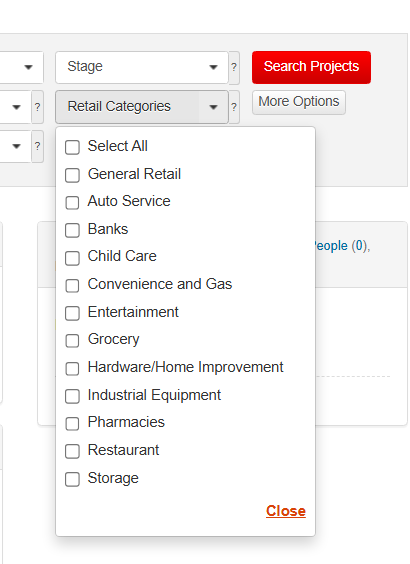
Retail construction rarely happens in isolation. It frequently reflects larger demographic, residential, and economic shifts occurring within a market. Track retail developments using ConstructionWire’s planned projects database.
6. Multifamily Development
Few indicators are as closely tied to future market demand as housing.
New residential growth creates demand for nearly every other component of the built environment, from healthcare and education to retail and infrastructure.
Recent data reflects continued strength in multifamily development. According to NAHB analysis, built-for-rent multifamily starts increased year-over-year during the second quarter of 2026, with 109,000 rental units beginning construction during the quarter.
Construction leaders should pay particular attention to:
- Multifamily permits
- Residential starts
- Rental market activity
- Migration-driven growth corridors
- Master-planned communities
In many cases, rooftops remain one of the strongest predictors of future commercial demand. Stay ahead of your competitors with insights into newly issued permits for housing developments with Construction Monitor.
7. Data Center Development
Driven by cloud computing, artificial intelligence, and digital infrastructure requirements, data center investment continues to trend upward in markets across North America.
According to CBRE, primary market data center supply increased 33.7% year-over-year during the first half of 2026, while vacancy fell to a record-low 1.4%. More notably, over 80% of capacity currently under construction has already been preleased.
These projects often drive:
- Utility expansion
- Power generation investment
- Housing demand
- Infrastructure improvements
- Supporting commercial development
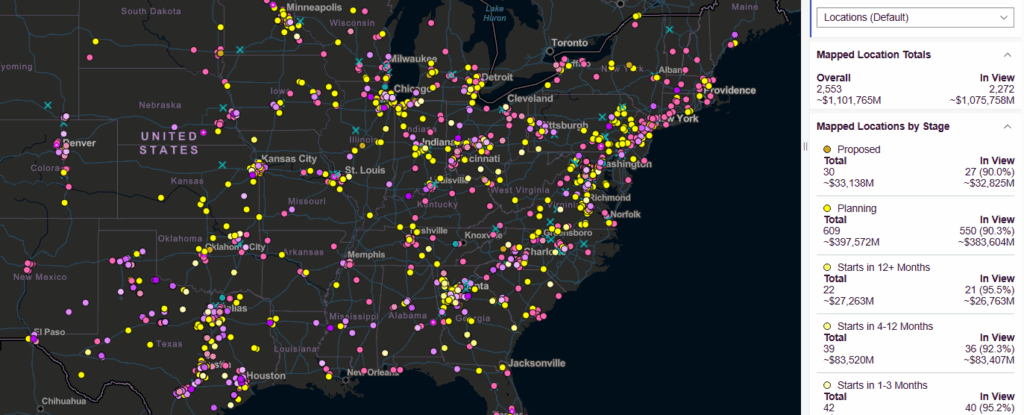
For construction leaders, data centers have become one of the most powerful indicators of future regional investment activity. Want to track data center activity nationwide? ConstructionWire provides access to detailed data center activity, nationwide. View planned data centers near you.
Connecting the World of Construction
The most valuable market intelligence often comes from multiple sources. Viewed independently, each indicator provides useful information, but viewed together, they create a comprehensive picture of where the market is heading.
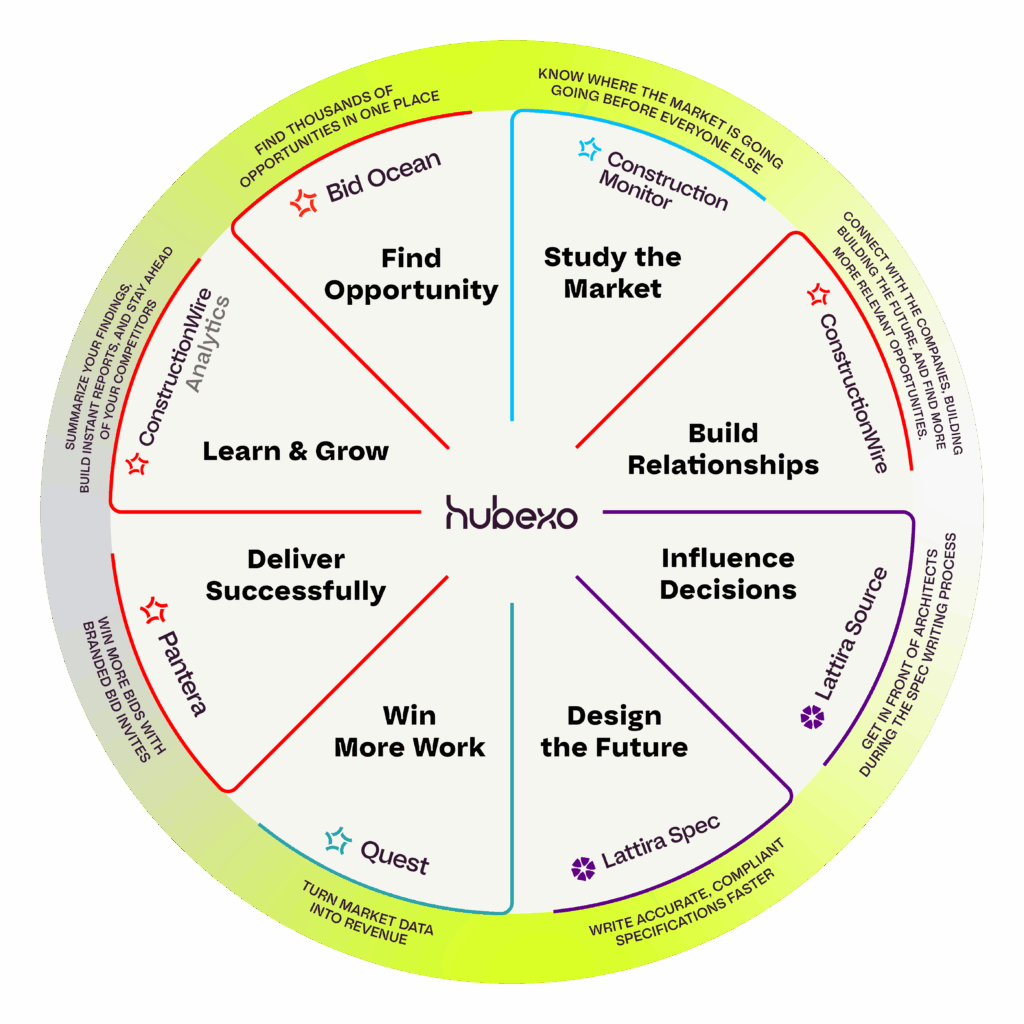
At Hubexo, we believe the construction industry works best when intelligence flows seamlessly across every stage of the project lifecycle.
From identifying planned developments and connecting with decision-makers through ConstructionWire, to tracking permit activity and uncovering emerging demand with Construction Monitor, to finding and managing public-sector opportunities through Quest, uncovering underground and infrastructure projects with Bid Ocean, streamlining subcontractor management and prequalification with Pantera, and improving specification and sourcing workflows with Lattira, our products are built to help organizations make better decisions earlier.
Related
Top Medical Office Building Types in Development
What is Infrastructure, and Why Should You Know Where It’s Being Built?
The Growing Opportunity for Senior Housing
Missing Out on Incentives? This Hotel Was—Until It Found $42K
